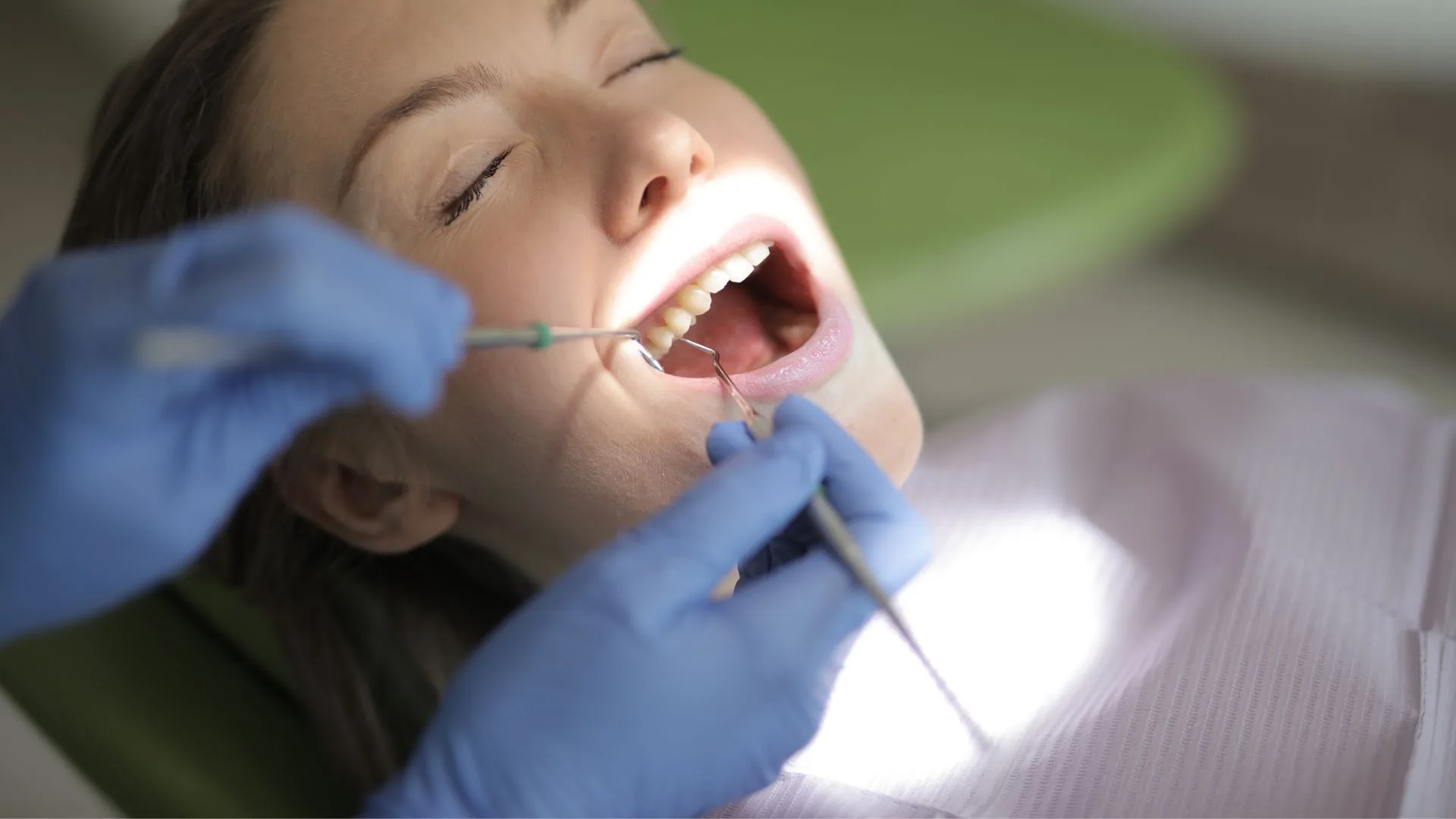
Does Teeth Shape Affect Oral Health, Not Just Appearance?

Unusual tooth shape isn't just cosmetic. Our Irvine dental team explains how it affects cleaning, wear, and jaw health, and what actually helps.
Quick Answer: Tooth shape changes how well you can brush, floss, and chew, so an unusual shape is worth a look, not just a shrug.
In this article:
- Why shape affects your risk of cavities and gum disease
- What shape has to do with your bite and jaw
- Five questions patients ask us most about this
- When to actually do something about it
We see this question a lot, usually from a patient staring at their own molars in a hand mirror, wondering if that one crooked tooth is a problem or just a quirk. Here's the honest answer: it depends what the shape is doing, not just what it looks like.
One quick note before we get into it: if you're mainly here for the cosmetic side of things, our restorative dentistry page covers the repair and reshaping options directly.
Why Does Tooth Shape Matter for Cleaning and Decay Risk?
Teeth with overlapping edges, deep grooves, or tight curves give plaque more places to hide than smoother, well-aligned teeth do. That's a cleaning problem before it's a cosmetic one. The harder a shape makes it to reach a surface with a brush or floss, the more likely decay and gum inflammation start there first.
Crowding is the clearest example. A 2025 systematic review in BMC Oral Health found dental crowding is the third most common oral pathology after cavities and gum disease, and identified genetic and environmental factors that shape how tightly teeth pack into the arch (BMC Oral Health, 2025). A separate 2026 cross-sectional study out of Taibah University Hospital found children with malocclusion were more likely to develop other occlusion problems later on. The shape issues tend to compound rather than stay put (Frontiers in Oral Health, 2026).
What that means day to day: two people can brush the same amount of time with the same technique and end up with very different results, purely because one of them has tooth geometry that traps more plaque. The problem usually isn't effort. It's access.
Can Tooth Shape Affect Your Bite and Jaw Over Time?
An uneven bite spreads chewing force across your teeth unevenly, and over years that shows up as accelerated wear on some teeth and added strain on the jaw joint. A 2026 biomechanical modeling study found that as posterior tooth wear increased (especially asymmetric wear, more on one side than the other), stress inside the jaw joint's disc rose steadily, with the more-worn side absorbing disproportionately more load (PubMed, 2026).
Worth being straight about the limits here: the broader question of whether malocclusion causes jaw disorders is still genuinely debated. A 2025 clinical lecture on orthodontics and TMD summarized the evidence as inconsistent, and concluded there's no support for repositioning someone's bite purely as TMD prevention (PMC, 2025). So we won't tell you an odd bite guarantees jaw pain. It doesn't. What the wear studies do show is that uneven contact adds measurable stress somewhere, and that stress has to go somewhere over the years.
Signs worth mentioning at your next visit:
- Flattened or chipped edges on just a few teeth, not all of them
- Jaw clicking, popping, or tiredness by the end of the day
- Morning headaches near the temples
- One side of your smile visibly shorter or more worn than the other
Frequently Asked Questions
Does having crooked or unusually shaped teeth mean I'll get cavities?
Not automatically, but it raises the odds if your cleaning routine doesn't adapt to the shape. Tighter spacing and overlapping edges trap more plaque, so those areas need more deliberate attention with floss or an interdental brush, not just more brushing time.
Can tooth shape change on its own as I get older?
The shape itself doesn't change much, but wear does. Grinding, acid exposure, and years of chewing gradually flatten edges and shorten teeth, which is a slow shape change with the same downstream effects as a shape you were born with.
Is a pointed or "fang-like" canine tooth a health problem?
Usually not. Canine shape varies a lot naturally and rarely causes issues on its own. It becomes relevant mainly if it's interfering with how your other teeth meet when you bite down.
Should I get my teeth reshaped just for how they look?
That's a personal call, and a valid one. Reshaping options like bonding or veneers can address appearance and, in some cases, make a hard-to-clean spot easier to maintain. Worth discussing both goals in the same conversation.
What's the difference between tooth shape and bite alignment?
Shape is about the individual tooth: pointed, flat, wide, narrow. Alignment (or malocclusion) is about how the teeth line up against each other. They're related but separate: you can have well-shaped teeth that still don't meet correctly, or oddly shaped teeth that happen to bite together fine.
Trust & Authority
About the author: Dr. Nova Li, DDS, earned her dental degree from UCLA School of Dentistry in 2018, after training at Sun Yat-Sen University (2014) and the USC Implant Program (2015). She has continued her education at the Kois Center and Magne Education, with a focus on full-mouth rehabilitation, biomimetic dentistry, and immediate dentin sealing. Read her full bio.
Our team sees patients from across Irvine, and questions about tooth shape and cleaning routines come up in nearly every hygiene visit. It's one of the more common things people are curious about but rarely ask outright.
Summary and Next Step
Tooth shape isn't just how your smile looks in photos. It's part of how well you can clean your teeth and how evenly your bite ages over the years. Most shape-related issues are manageable once someone actually looks at what the shape is doing, rather than just how it looks.
Ready to have your bite and cleaning routine actually assessed, not guessed at? Schedule a consultation with Nova Dental Studio, 113 Waterworks Way Ste. 335, Irvine, CA 92618.
Disclaimer:
This is educational content, not a diagnosis. Tooth shape and its effects on oral health vary by individual. A comprehensive evaluation by Dr. Nova Li is required to assess your specific bite and cleaning needs.
< Older Post
More Articles
View all
How Long Do Veneers Last? An Irvine Dentist's Guide to Care and Maintenance
Porcelain veneers can last well past a decade, if a few things go right. An Irvine dentist breaks down the real numbers and what actually protects them.September 15, 2026 · 5 min read
Dental Implants vs. Dentures: Which Is Right for You in Irvine?
Weighing dental implants vs. dentures in Irvine, CA? Compare cost, longevity, comfort, and bone health to choose the right tooth-replacement option with confidence.August 8, 2026 · 8 min read