
What You Need to Know
Understanding Wisdom Teeth
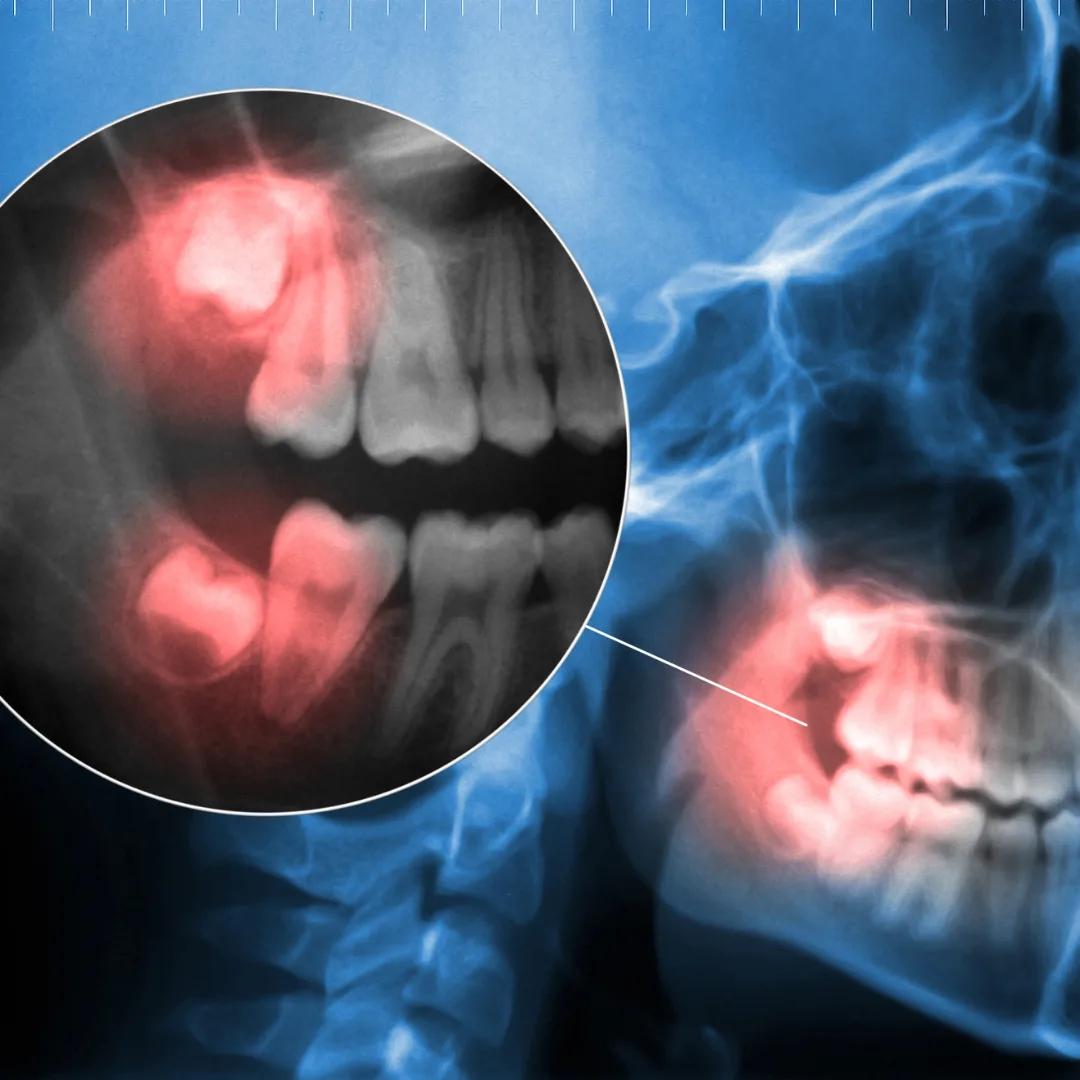
Wisdom teeth, or third molars, are the last set of permanent teeth to develop. Most people have four wisdom teeth — one in each corner of the mouth — though some people may have fewer, more, or none at all. They usually begin to appear between the ages of 17 and 25, a stage of life once associated with maturity and “wisdom,” which is how they earned their name.
While wisdom teeth can emerge normally and function like other molars, they often become problematic because there may not be enough space in the jaw to accommodate them. This lack of space can cause teeth to emerge at an angle, partially erupt, or remain trapped under the gum and bone (impacted).
Why Wisdom Teeth Can Be an Issue
Not everyone needs to have their wisdom teeth removed, but in many cases, they are associated with oral health concerns. Common reasons a dentist may recommend monitoring or removal include:
• Crowding of Other Teeth If your mouth is already crowded, wisdom teeth may push against neighboring teeth, causing shifting or misalignment.
• Partial Eruption Teeth that only break through part of the gum are difficult to clean and may create openings for bacteria to enter, leading to gum irritation or infection.
• Impaction Impacted wisdom teeth remain trapped beneath the gums or bone. This can cause discomfort, pressure, or potential damage to adjacent teeth.
• Infection or Gum Inflammation Wisdom teeth can increase the risk of pericoronitis (inflammation of the gum tissue), especially when they’re partially erupted.
• Decay and Cavities Wisdom teeth are located at the very back of the mouth, making them harder to brush and floss properly. This increases the risk of decay.
• Cysts or Jaw Issues In rare cases, impacted teeth may be associated with cysts that can affect bone or nearby structures.
Symptoms That May Indicate Wisdom Tooth Problems
Some people never experience issues with their wisdom teeth. Others may notice:
• Pain or pressure in the back of the mouth
• Swelling or redness in the gums around the molars
• Difficulty opening the mouth or chewing comfortably
• Bad breath or an unpleasant taste caused by trapped food or bacteria
• Shifting or crowding of existing teeth
It’s important to remember that wisdom teeth don’t always cause symptoms, even when they may be creating issues beneath the surface. That’s why regular dental exams and X-rays are important for early detection.

When Is the Best Time to Remove Wisdom Teeth?
Many dentists and oral health professionals recommend evaluating wisdom teeth in the late teens or early twenties. At this age, the roots are not yet fully formed, and the bone is less dense, which may make removal simpler and recovery smoother.
However, wisdom teeth can be monitored and managed at any age. Some patients never develop problems, while others experience issues well into adulthood. Your dentist will evaluate your unique situation and recommend whether removal is advisable or whether monitoring is sufficient.
The Evaluation Process
At Nova Dental Studio, your wisdom teeth evaluation includes:
Comprehensive Oral Examination – Checking your bite, gum health, and areas of discomfort.
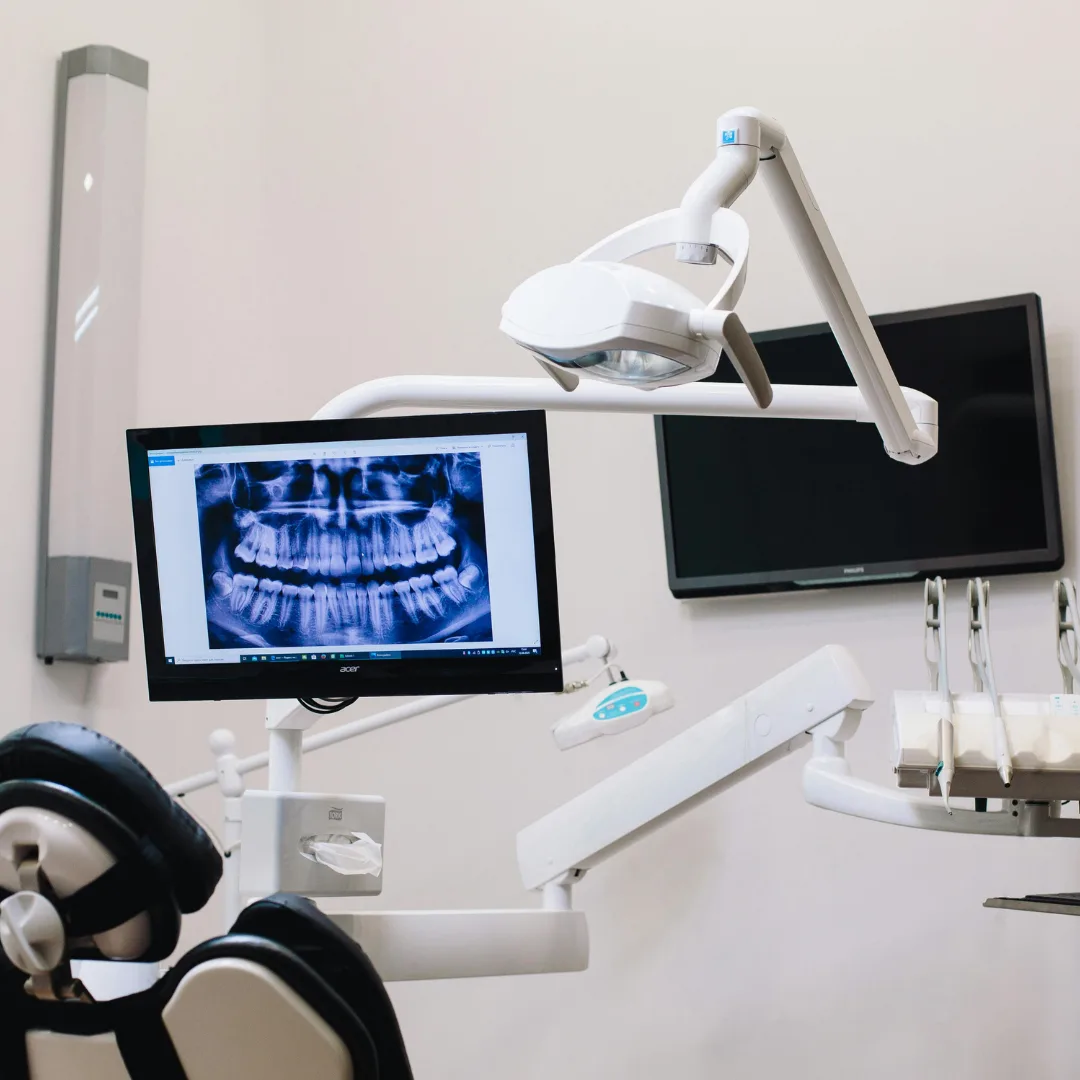
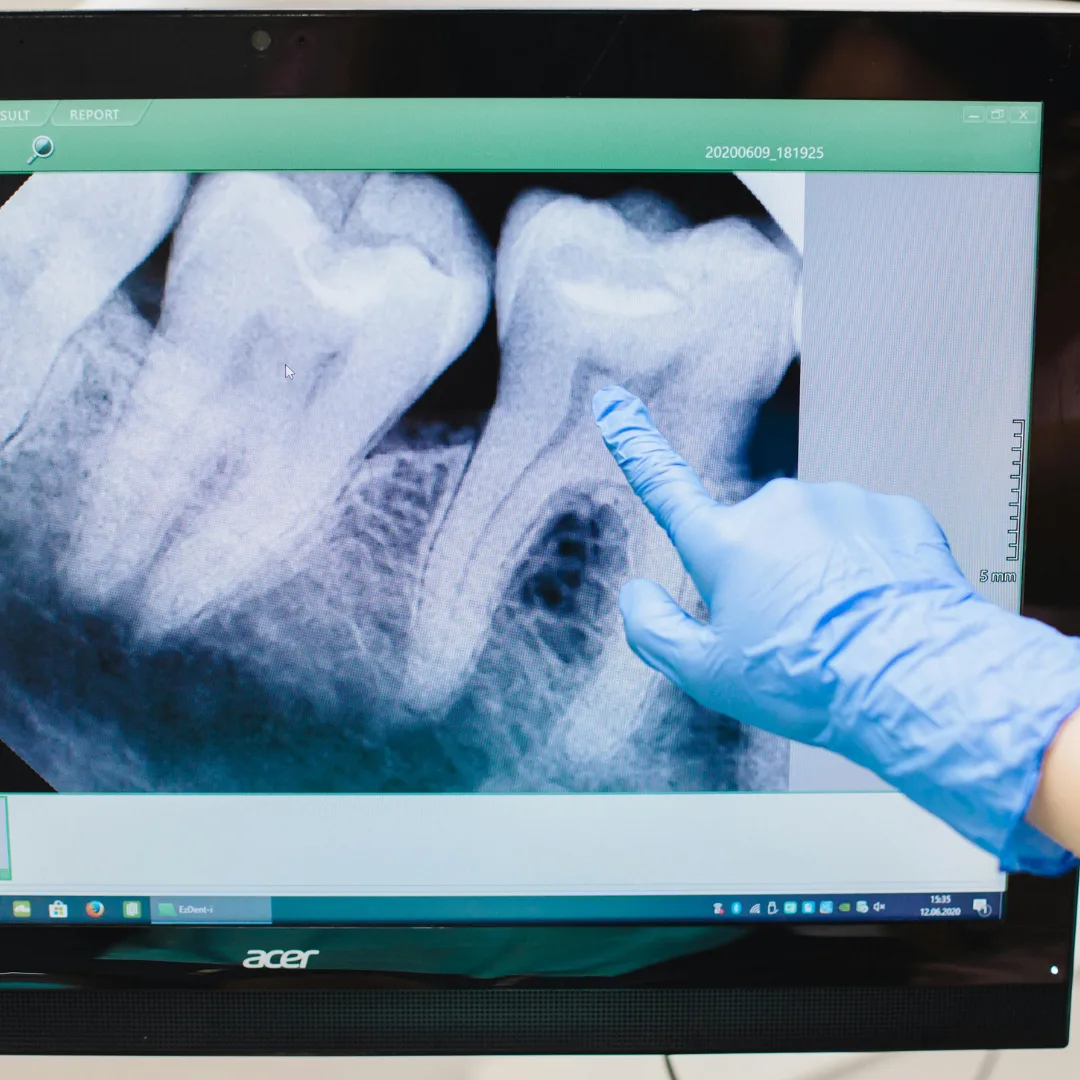
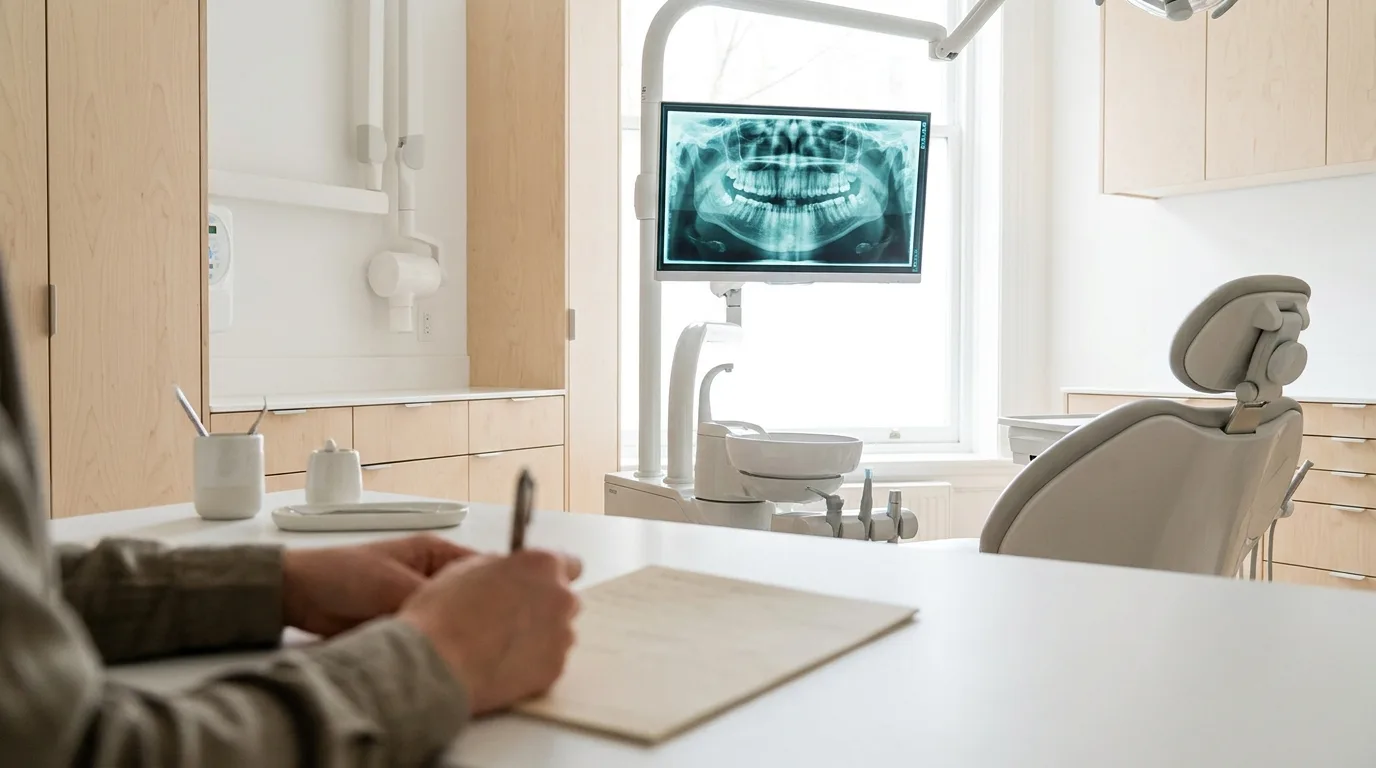
Imaging (X-rays or 3D scans) – Providing a clear view of the position of your wisdom teeth, their angle, and their relationship to other teeth and jaw structures.
Discussion of Options – Reviewing whether your teeth appear healthy, impacted, or likely to cause future concerns.
This evaluation helps determine if removal is necessary and when the best time might be.
General Approaches to Wisdom Teeth Management
Because every patient is different, your dentist may recommend one of several approaches:
• No Treatment, Just Monitoring If your wisdom teeth are healthy, fully erupted, and easy to clean, they may not need to be removed. Regular checkups will help ensure no changes develop over time.
• Preventive Removal Sometimes, dentists recommend removing wisdom teeth before they cause problems, especially in younger patients with limited space in the jaw.
• Removal When Symptomatic If wisdom teeth are already causing pain, swelling, infection, or crowding, removal may be advised to relieve discomfort and prevent further complications.
Your dentist will discuss which approach fits your situation and provide guidance tailored to your oral health.
General Recovery Information
Every patient’s healing process is unique, but here are some common aspects of recovery after wisdom tooth removal:
• Tenderness & Swelling – Mild discomfort and swelling near the back of the mouth are normal for a few days.
• Soft Diet – Many patients stick to foods like soups, smoothies, mashed potatoes, and yogurt for a few days while the area heals.
• Rest & Care – Gentle rest and avoiding strenuous activity support recovery.
• Oral Hygiene Adjustments – Patients are often advised to brush carefully and may be given rinsing instructions to keep the area clean.
• Follow-Up Visits – Your dentist may schedule a follow-up to check healing progress.
Your dentist will give you detailed aftercare instructions to help your mouth heal comfortably and avoid complications.

Services
Other treatments we offer
Get Your Free Consultation
A smile design PROMO for teeth Exam/Xray/dental-facial analysis with smile design
Questions
Questions
Why Patients Trust Nova Dental Studio
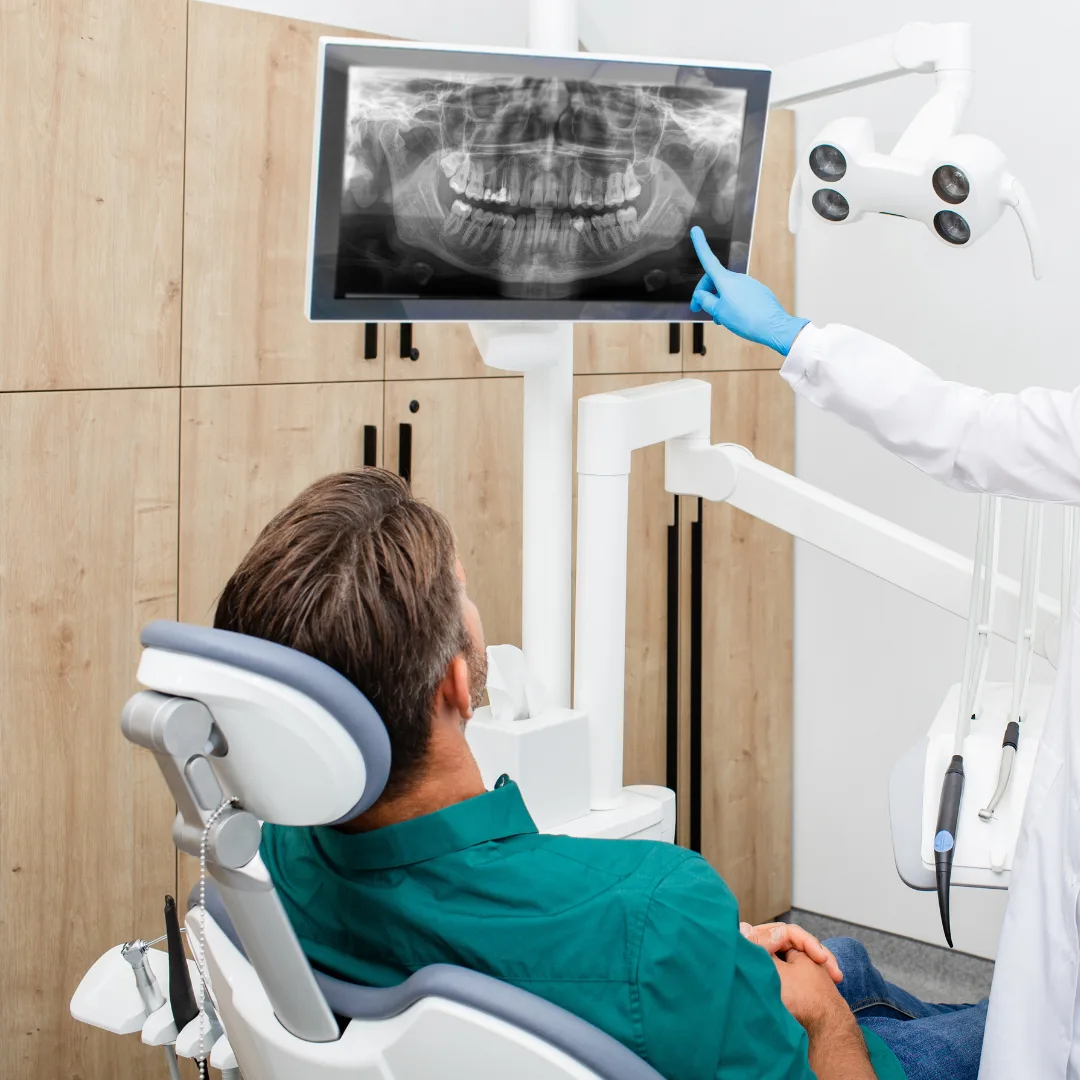
• Personalized Care – We take time to explain your X-rays and options clearly.
• Comfort-Focused Approach – From start to finish, your comfort and peace of mind are priorities.
• Experienced Team – Skilled dental professionals with years of experience helping patients through wisdom tooth concerns.
• Trusted in Irvine – Proudly serving the community with comprehensive dental services for all ages.

Nova Dental Studio Proudly Holds Active Memberships




- Kois Center
- Magne Education
Visit us
We're waiting for you in Irvine
Find our office on the third floor right next to the elevators!
113 Waterworks Way Ste. 335
Irvine, CA 92618
- Mon–Fri
- 9:00AM – 5:00PM
- Sat–Sun
- Closed