
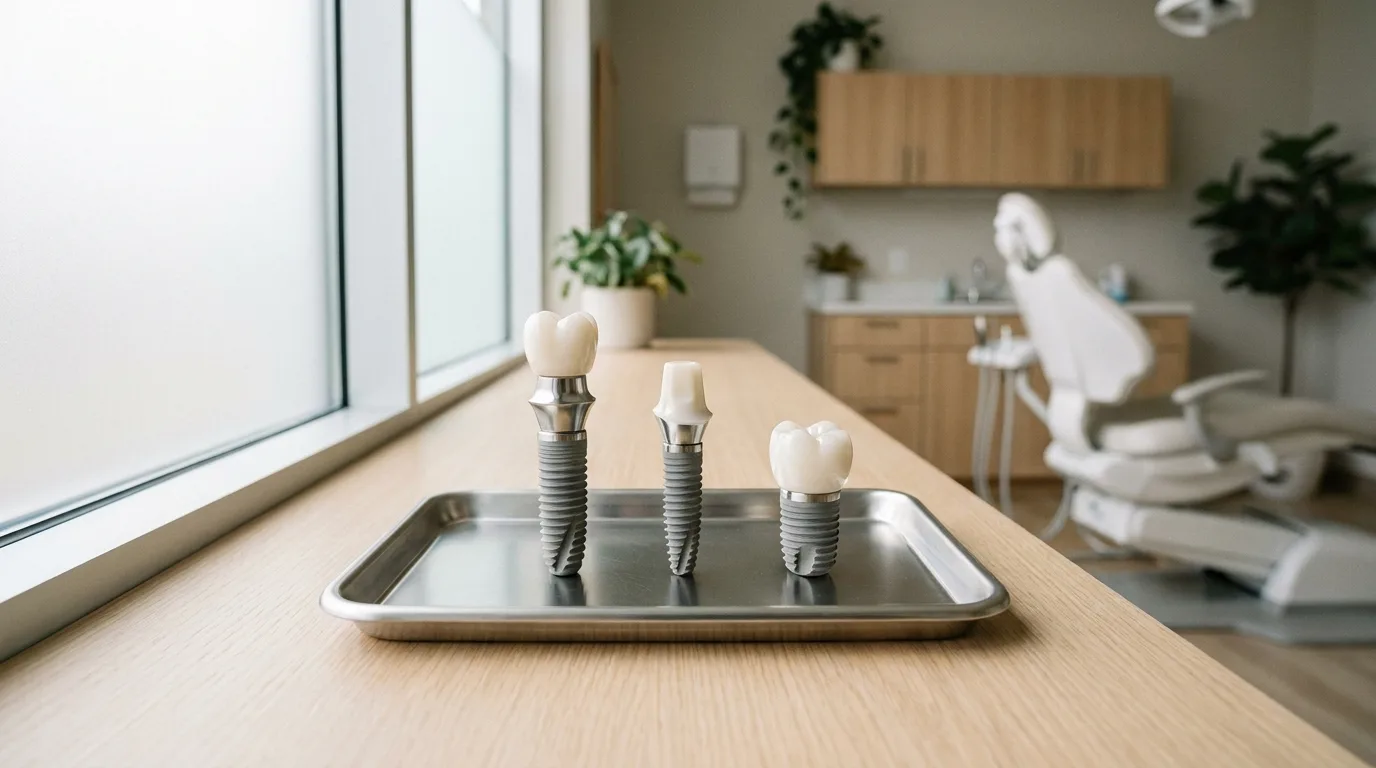
What are the three types of dental implants?
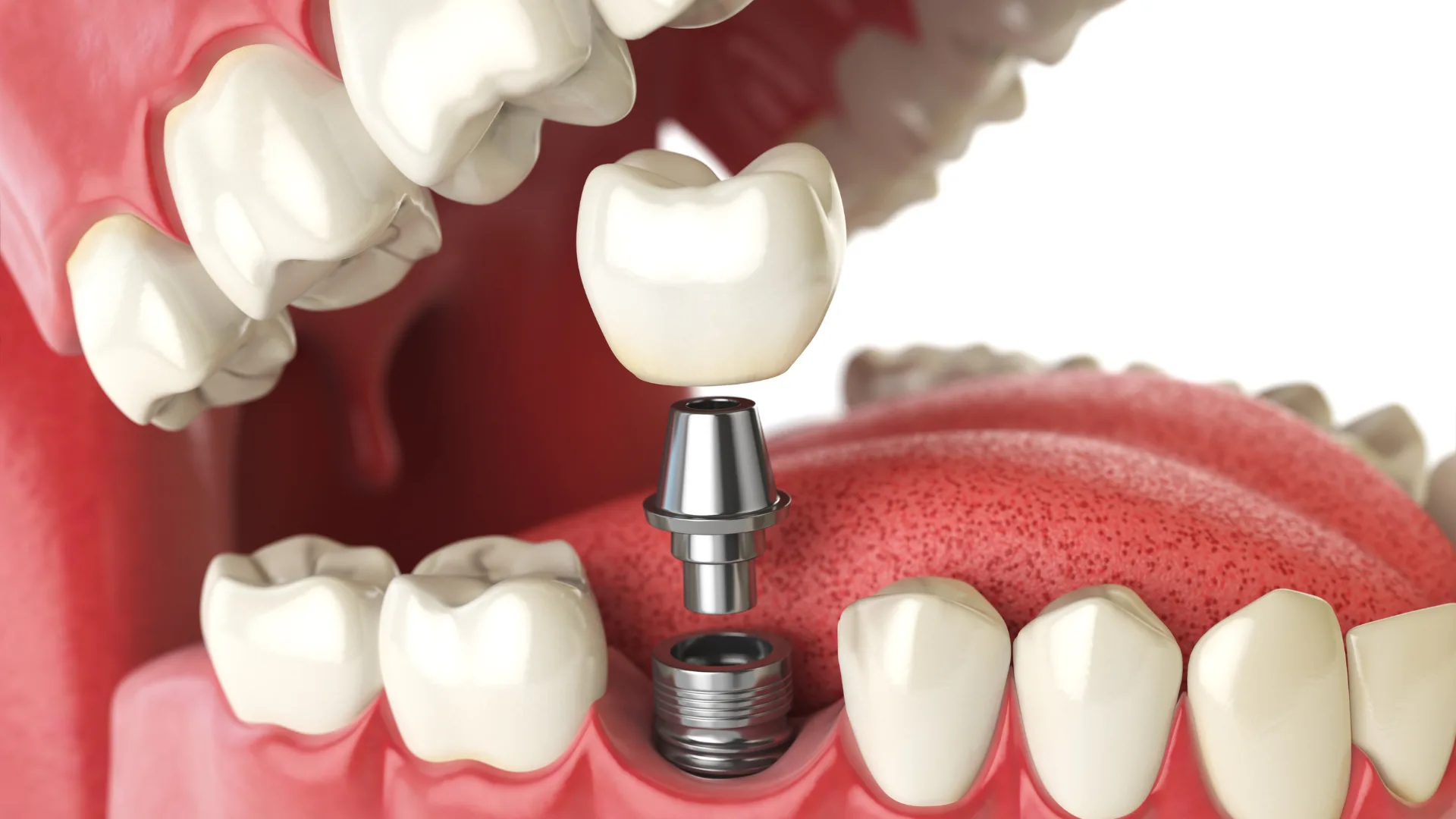
These implants are typically made of titanium, a material known for biocompatibility, meaning the bone readily accepts it. The process usually involves a few stages. First, the implant fixture, which looks like a small screw, is placed into the jawbone. After a healing period, during which the bone fuses with the implant (a process called osseointegration), a connector piece called an abutment is attached. Finally, the artificial tooth, or crown, is secured to the abutment.
Here’s a general overview of the process:
Nova Dental Studio works with patients to determine if endosteal implants are the right choice for their needs, considering factors like bone density and oral health.
The success of endosteal implants relies heavily on the quality and quantity of the patient's jawbone. If there isn't enough bone, bone grafting procedures might be necessary before implant placement. This ensures the implant has a solid foundation for long-term stability.
2. Subperiosteal Implants
Subperiosteal implants are a bit different from the more common endosteal type. Instead of going into the jawbone, these implants sit on top of the bone, right under the gum tissue. Think of it like a frame that rests on the jawbone. This type of implant is usually made of metal, often titanium, and has posts sticking up through the gums. Dentures or bridges can then be attached to these posts.
This approach is typically considered when a patient doesn't have enough healthy jawbone to support an endosteal implant, or when bone augmentation procedures are not ideal. It's a way to provide a stable base for replacement teeth without significantly rebuilding the jawbone. The process involves:
Taking detailed scans or impressions of the jawbone and surrounding tissues.
Customizing a metal framework to fit precisely over the bone.
The framework is placed on the jawbone, under the gum line.
Attaching the artificial teeth to the posts that extend through the gums.
While less common today due to advancements in bone grafting and other implant types, subperiosteal implants were a significant option for many years. For those considering implant options, consulting with a dental professional at Nova Dental Studio can help determine the most suitable treatment plan based on individual needs and bone structure.
3. Zygomatic Implants
Zygomatic implants are specialized dental implants used when a patient has significant bone loss in the upper jaw, making traditional implants unsuitable. Instead of anchoring into the jawbone, these longer implants are secured into the cheekbone, also known as the zygoma. This approach allows for the placement of dental prosthetics even in cases where there isn't enough natural bone in the maxilla.
This technique is particularly beneficial for individuals who have experienced severe bone resorption due to periodontal disease, trauma, or congenital conditions.
The procedure involves several key steps:
Assessment: A thorough examination, including detailed CT scans, is performed to evaluate the patient's anatomy and plan the implant placement precisely.
Surgical Placement: The zygomatic implants are carefully inserted at an angle, connecting the upper jaw to the dense cheekbone.
Prosthetic Restoration: Once the implants have healed, a custom-made dental bridge or denture is attached, restoring the patient's smile and chewing function.
While more complex than standard implant procedures, zygomatic implants offer a reliable solution for many patients who might otherwise be told they are not candidates for dental implants. Nova Dental Studio has experience with these advanced procedures, helping patients regain their oral health and confidence.
This method bypasses the need for extensive bone grafting in many situations, which can reduce treatment time and discomfort for the patient during recovery. It's a significant advancement for restorative dentistry.
Wrapping Up Your Implant Options
So, we've looked at the main ways dental implants are done. There's a solution out there, whether it's the standard endosteal type, the less common subperiosteal, or the newer zygomatic implants for more challenging cases. It's good to know your choices when you're thinking about replacing missing teeth. Talking with your dentist is the next step, of course. They can figure out which implant method is the best fit for your mouth and your health. It’s all about getting you a strong, natural-looking smile back.
FREQUENTLY ASKED QUESTIONS





Questions
Questions
Visit us
We're waiting for you in Irvine
Find our office on the third floor right next to the elevators!
113 Waterworks Way Ste. 335
Irvine, CA 92618
- Mon–Fri
- 9:00AM – 5:00PM
- Sat–Sun
- Closed
Make your Nova smile a reality.
Join our family of happy, healthy smiles today and experience the Nova Smile difference!